Loading journal posts...
Explore our collection of articles on design, sustainability, and workplace solutions. Learn how thoughtful design and conscious choices are reshaping the way we think about waste.
Welcome to Recycling 101, a monthly email newsletter where we break down recycling concepts to help educate users.Sign up to receive the monthly newsl...
We’re excited to announce the introduction of the Method Twenty to our product family. It’s a 20L bin designed with the same practical and beautiful d...
At the core of who we are here at Method is the belief that design has the power to make a visible difference to larger societal issues. So we were th...
Once you have your recycling infrastructure set up for success, we know that communication and education are powerful tools for changing individuals' ...
While there are a lot of uncertainties when it comes to workplaces, one thing that is a given is that all organisations produce waste. From business-r...
This post is part of a series where our co-founder Steven Korner will be talking about a range of topics – from design, to what it's like to engineer ...
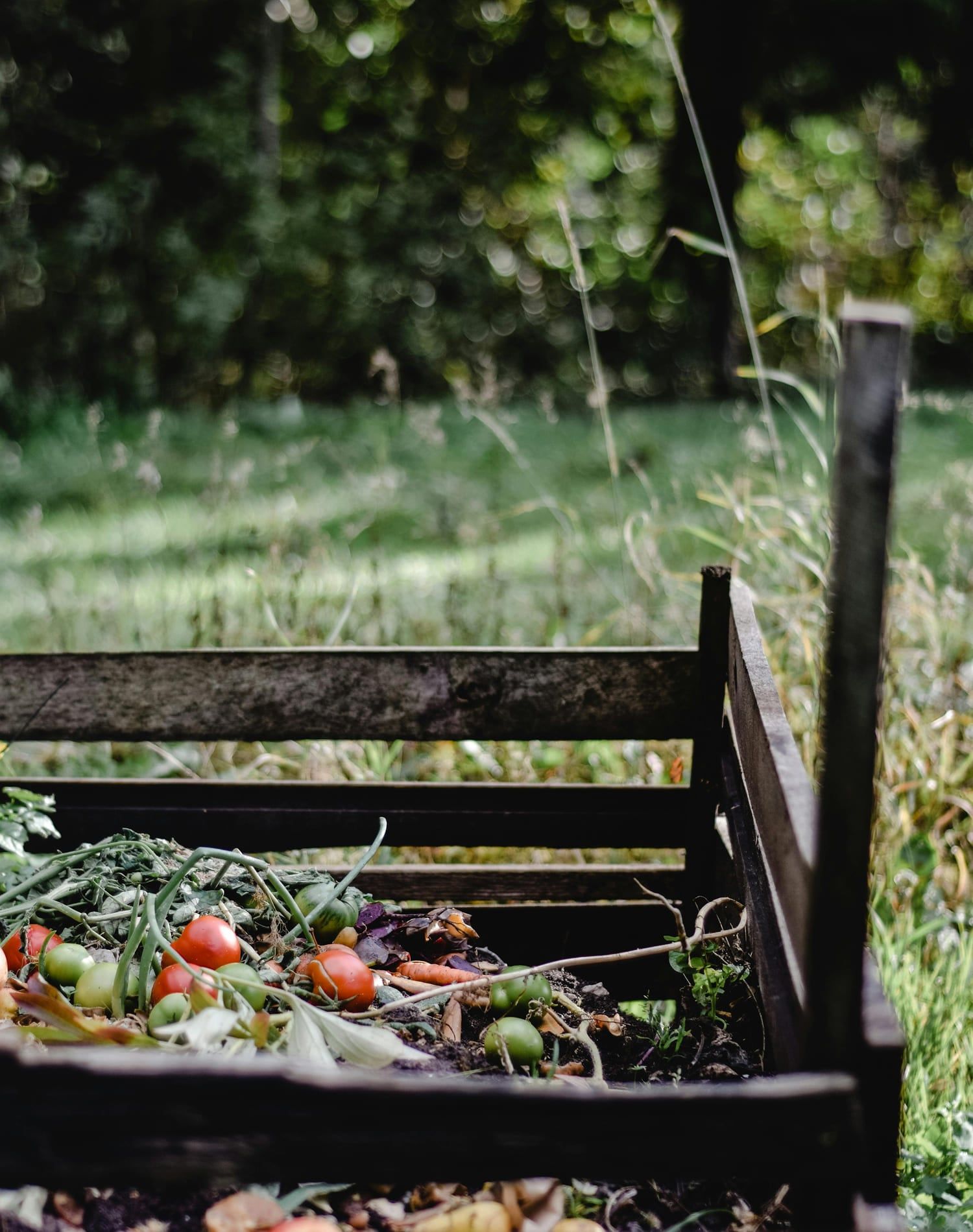
Composting is natures way of recycling, and it comes without all the confusion about which day it gets collected on. More importantly, its an easy way...
The environmental challenges ahead of us can feel insurmountable, particularly as individuals. I spend a lot of my time as a Method employee researchi...
Concerns about the environment continue to grow in the UK, and the focus is turning towards what organisations can do to reduce their impact. Method, ...
Creating awareness and promoting engagement can be huge hurdles to overcome when implementing a recycling program at your workplace. While you may be ...
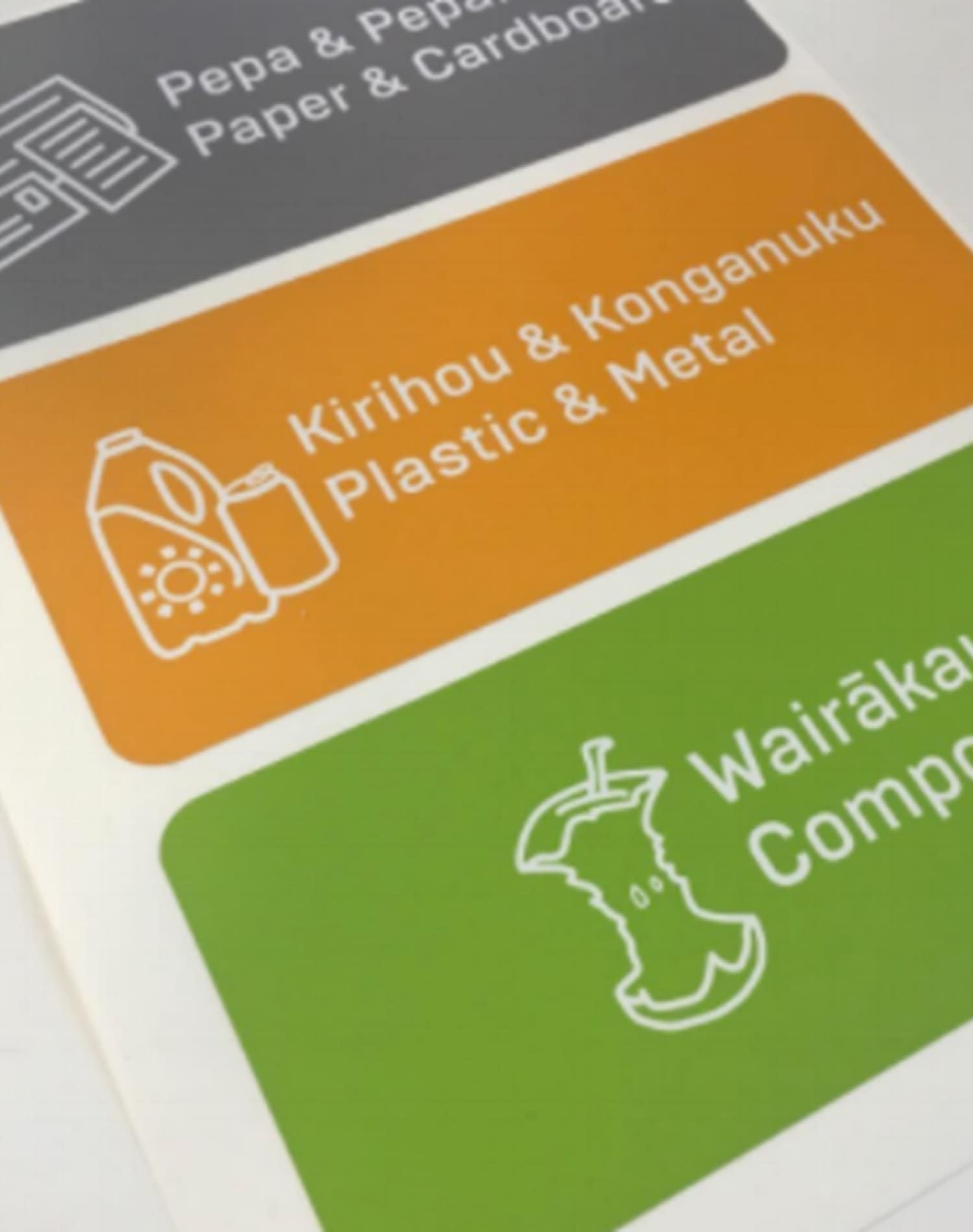
Next week is Māori Language Week, a celebration of the language Te Reo. In 2017 we customised labels for the Māori priest, artist and ecologist Peter ...
Recycling is an extremely complex process, there's no denying it. Materials like plastic, aluminium, and glass all require different, complicated proc...
I'm the first to say that recycling isn't perfect, in fact, it's quite far from it. But there are a lot of benefits now and what we should be aiming f...
Here at Method we hire great people, and recycling skills aren't necessarily a prerequisite. In this journal, we'll take a transparent look at our rec...
Is your company looking to establish clear sustainability goals? Do you have employees that are passionate about making the office a more eco-friendly...
On Global Recycling Day Method gave away one set of brand new bins to one lucky workplace. Overwhelmed by the number of responses we received we also ...
Office bin overflowing at the end of every lunch hour? You're not alone. Try these tips from the team atReusabowlto empower your staff to smash the tr...
If you're starting a new business, expanding to a different location, or looking for a new waste provider, you've come to the right place. While there...
What happens if you don't recycle properly? Most people believe it goes straight to landfill or the incinerator, but it's not quite that simple. Conta...
You've decided to take the plunge and set up a recycling program in your workplace. But now comes the hardest part – getting everyone educated and onb...
But, there's more to it than meets the eye. The attractive cloud-based accounting software has been changing behaviours since its launch in 2006, maki...
Here at Method, we get the pleasure of working with Facility Managers of businesses big and small that are working hard to improve their facilities, t...
Welcome to part two in our Recycling 101 series covering the fundamentals of recycling. In part one, we covered why we should recycle, and today we ar...
Paper is made of fibres that become smaller every time you recycle it. Paper can be recycled around 5 - 7 times before it's downcycled into lower-qual...
Method began with the belief that design could have an impact on workplace recycling. That there were many businesses with the right intentions withou...
The fundamentals of your workplace recycling program – bins and signs – are in place; you've communicated with your team and maybe even set some recyc...
Today, more than ever,organisations are recognising the impactthey have on the world around them and trying to make decisions that mitigate that impac...
Here we compare the setup and service costs of an office outfitted with Method Recycling Stations vs. one with Individual Desk Bins over the course of...
Cleaners are the second step in the waste collection process for any organisation, so it's essential to include them in your goals and ensure they und...
Method is lucky to now have our organics collected through Wellington's urban farm, local composter and community educator,Kaicycle. Our small office ...
Amidst a sea of green-washing and insincere attempts of organisations trying to appear to be doing better,Work incare acknowledging they weren't doing...
If your company cares about recycling, you've probably considered going zero waste. It can feel overwhelming to get your workplace to zero waste, but ...
Does your office have a recycling program that needs an overhaul? Or maybe it's in the works, but you haven't quite implemented it yet? A successful r...
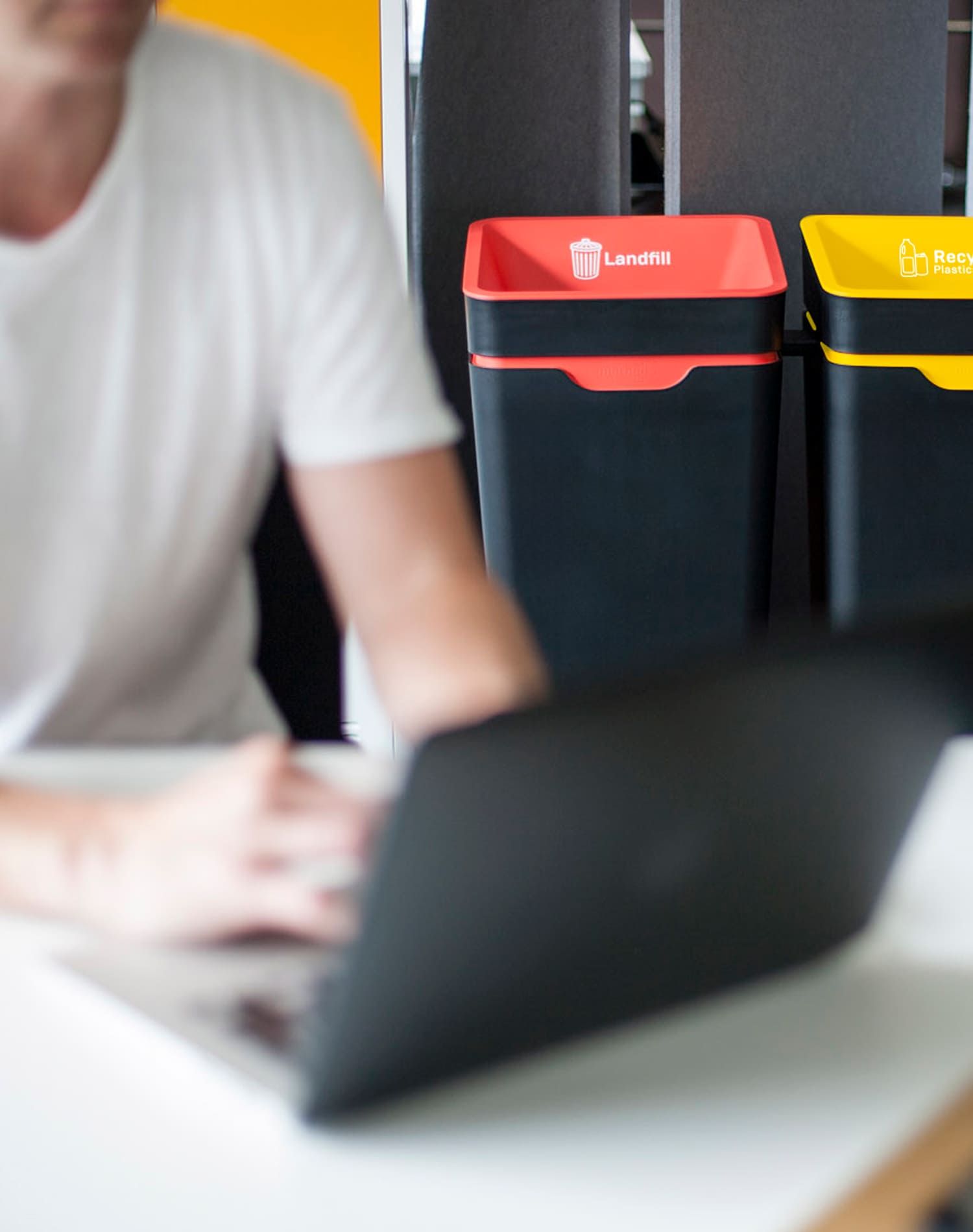
The success of Method's system is seen as recycling becomes easier than waste with the removal of desk bins and the presence of communal recycling stations.
There are a lot of certifications out there that we could've gone for, but B Corp resonated with who Method is as a business.
Recycling is a necessary part of the circular economy, and most people realize the benefits of doing it. However, while almost all materials are recyclable under the right conditions, many cannot be.
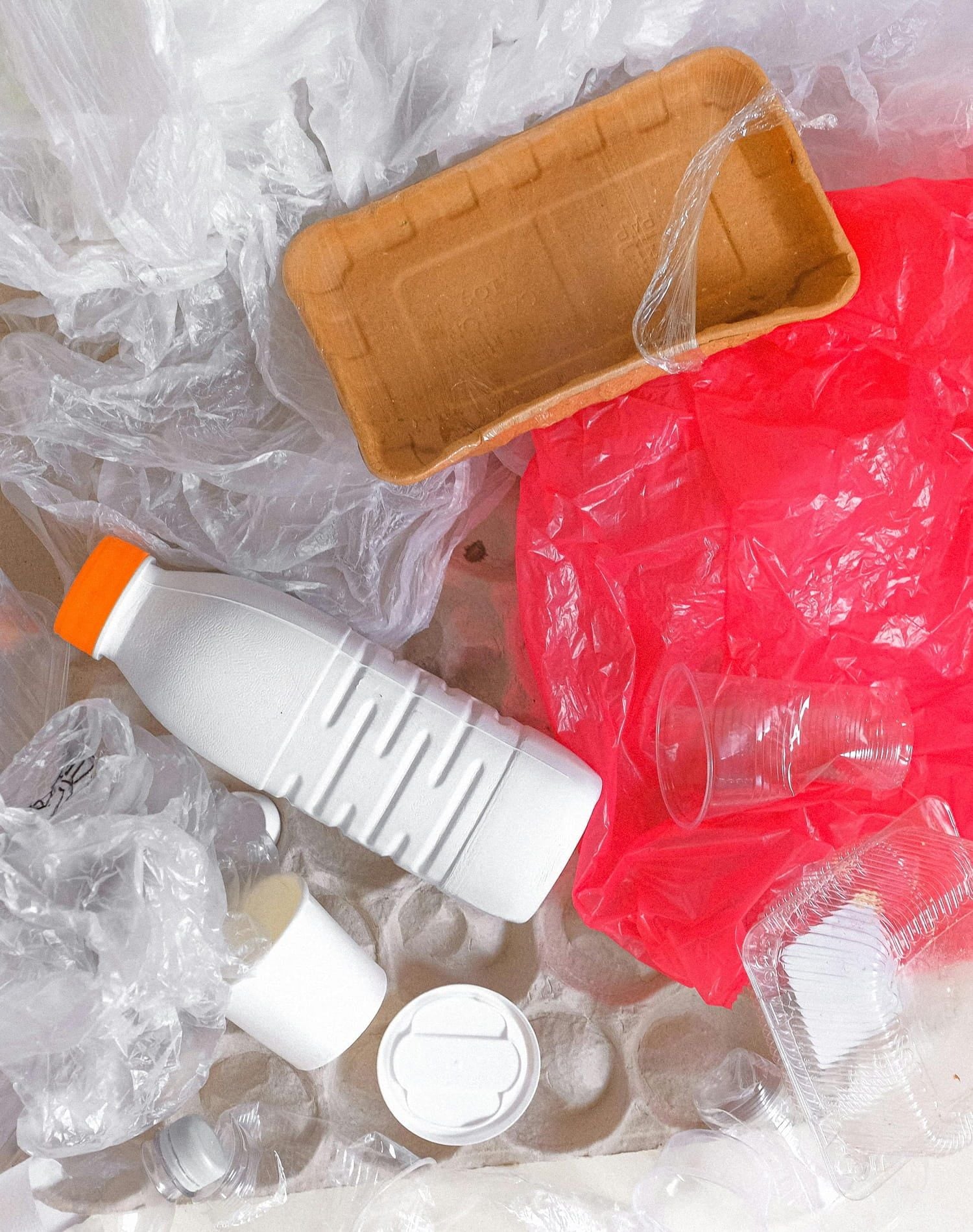
As more people have become aware of the environmental issues around waste, they are also being more active in ensuring their own waste doesn't contribute to the global problem through recycling.
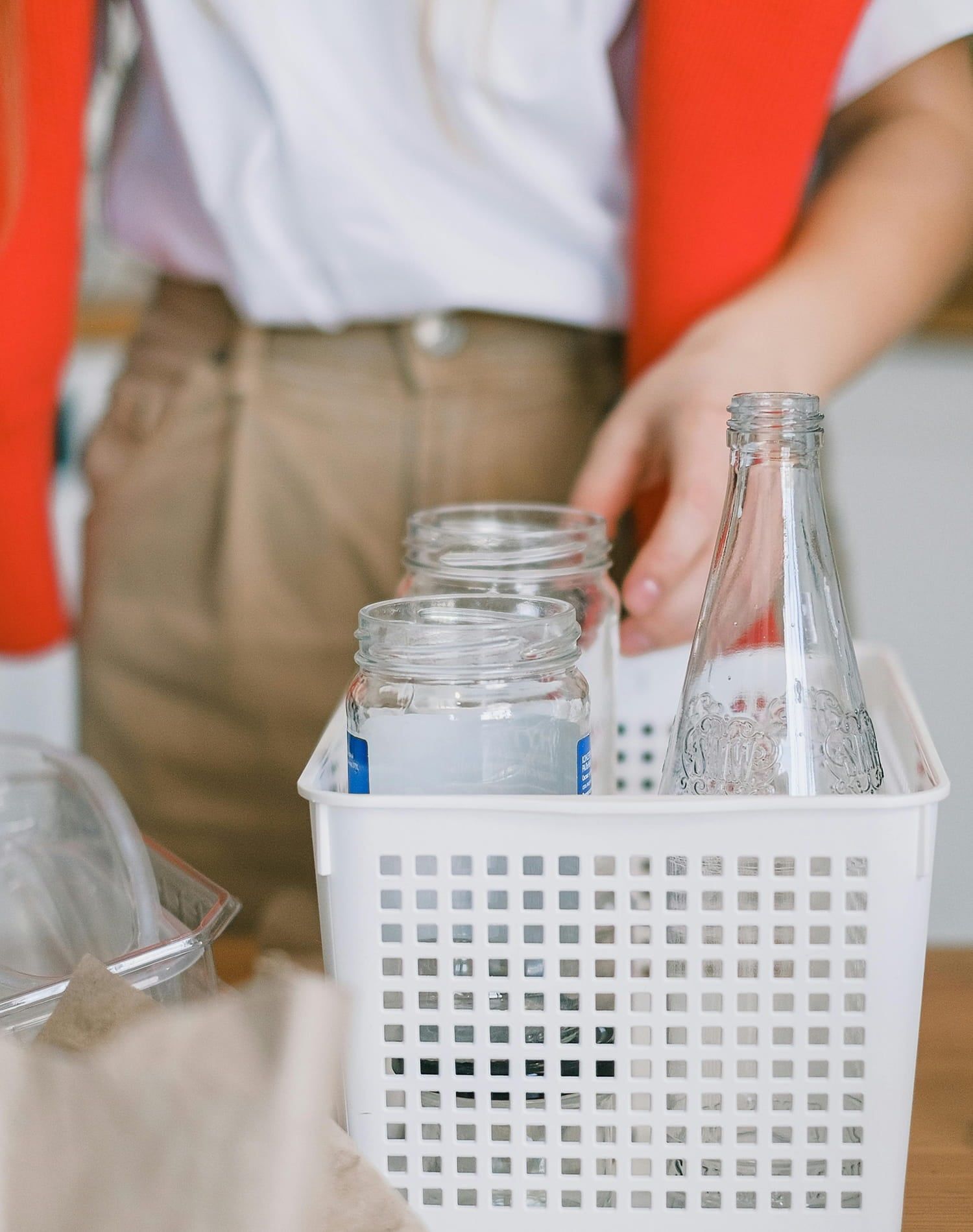
Composting is nature's way of recycling, and it comes without all the confusion about which day it gets collected on. More importantly, it's an easy way to substantially reduce your environmental footprint.
Recycling is an extremely complex process, there's no denying it. Materials like plastic, aluminium, and glass all require different, complicated processes to break them down.
The age-old debate over the pizza box - is it recyclable? Tune in to find out. Recycling is an important part of building to a circular economy.
Throughout our Recycling 101 series, we've delved into what and how to recycle. While recycling is one aspect of waste management, it's not the only or the most important part.
Is your company looking to establish clear sustainability goals? Do you have employees that are passionate about making the office a more eco-friendly place?
Creating awareness and promoting engagement can be huge hurdles to overcome when implementing a recycling program at your workplace.
If you're starting a new business, expanding to a different location, or looking for a new waste provider, you've come to the right place.
What happens if you don't recycle properly? Most people believe it goes straight to landfill or the incinerator, but it's not quite that simple.
This post is part of a series where our co-founder Steven Korner will be talking about a range of topics - from design, to what it's like to engineer sustainable products.
We take a look at some of the reasons why individuals change their habits and what can be done to better facilitate recycling in the workplace.
The recycling symbol we know today - the chasing arrows symbol - was originally designed in 1970 as a way to inform people that a product was recyclable.
One of the most difficult parts about having a successful recycling program in a workplace is changing user behaviour, but it's essential to achieving your waste goals.
Method began when co-founders Steven and India Korner were driving around New Zealand selling generic bins out of the back of a van.
As the 'war against plastic' wages on, we often get questioned about manufacturing our bins out of Polypropylene (PP). Trust us when we say the material selection wasn't taken lightly.
As an innovative company, we have also looked for new ways to set big goals for ourselves. Currently, we're on a mission to enable organisations to divert one billion kilograms of waste from landfills by 2030.
Your recycling initiative is up and running, and now it's time to pick your bin liner. Biodegradable, degradable, compostable, clear, or black - what's the difference?
At Method, sustainability is at the heart of everything we do, so it's a great honour that for the second year in a row, we've been recognised as a Best for the World B Corp.
Food waste is a major global issue. Over 1.3 billion tonnes of food produced is wasted annually, releasing harmful methane and CO2.
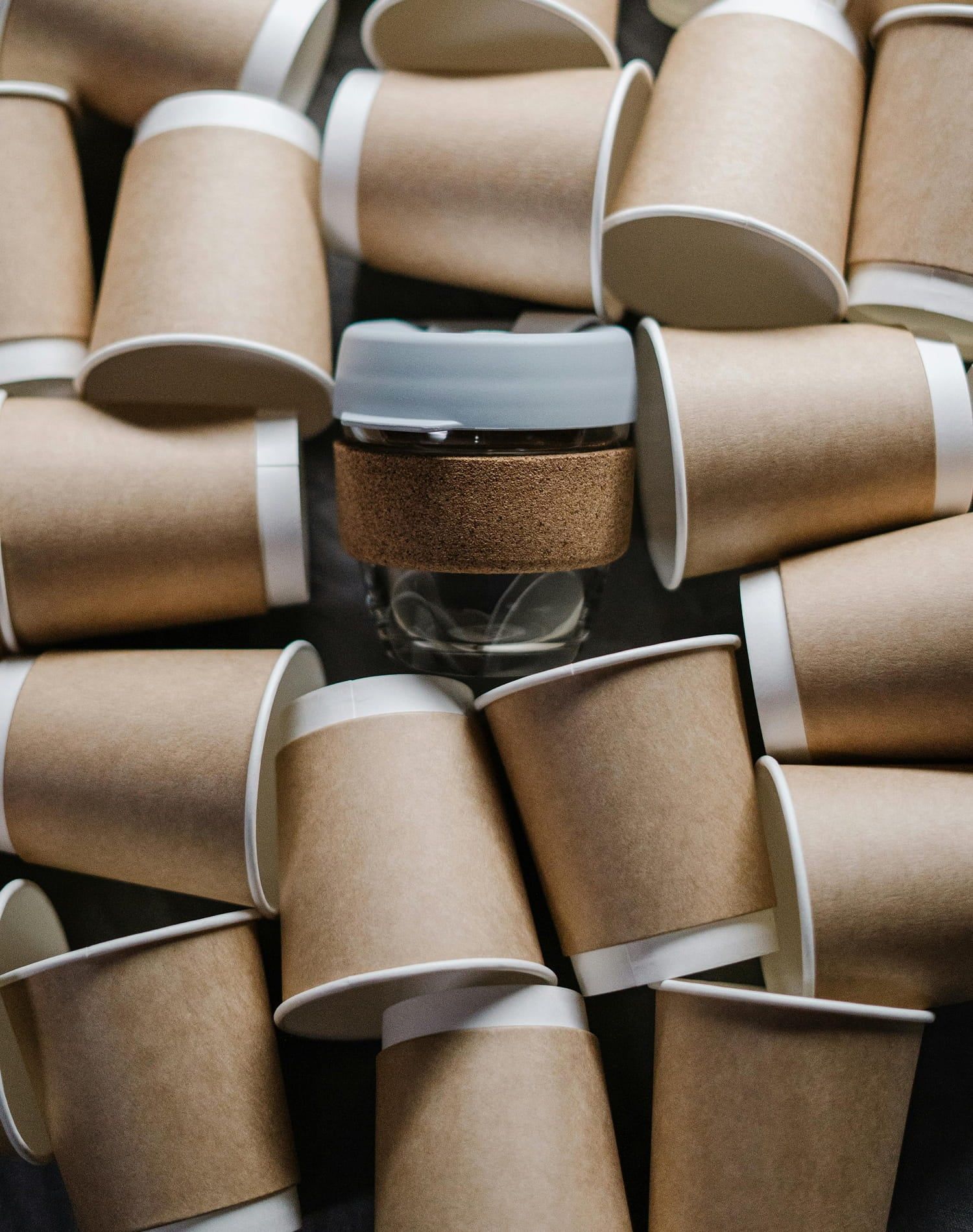
For many, coffee is a critical part of a workday or any day. However, single-use coffee cups don't need to be part of this daily ritual.
Looking for something in particular? This blog will cover waste streams, the key questions to ask, and common recycling methods with their pros and cons.
How can we help teach our younger generations the benefits and how-to's of sustainable waste management? Here are our methods that can help make a visible change.