Loading journal posts...
Explore our collection of articles on design, sustainability, and workplace solutions. Learn how thoughtful design and conscious choices are reshaping the way we think about waste.
Learn how the Australasian Recycling Label (ARL) works, what recyclable, conditionally recyclable and not recyclable mean, and how to use it at the bin.
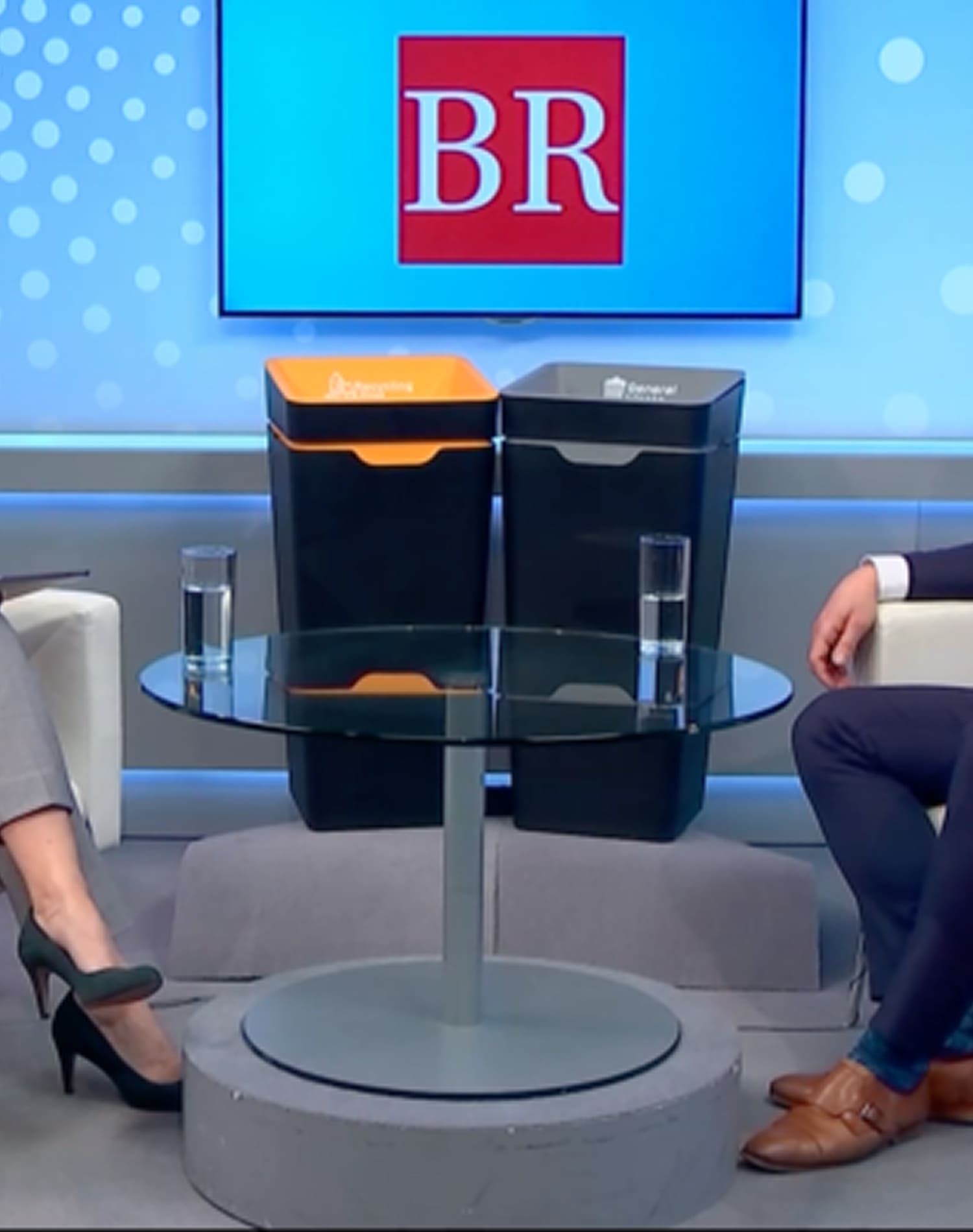
We’re excited to announce the introduction of the Method Twenty to our product family. It’s a 20L bin designed with the same practical and beautiful d...
At the core of who we are here at Method is the belief that design has the power to make a visible difference to larger societal issues. So we were th...
Once you have your recycling infrastructure set up for success, we know that communication and education are powerful tools for changing individuals' ...
A waste audit shows what your workplace throws away, where contamination happens, and where to cut costs. Here is how to run one and when to bring in help.
This post is part of a series where our co-founder Steven Korner will be talking about a range of topics – from design, to what it's like to engineer ...
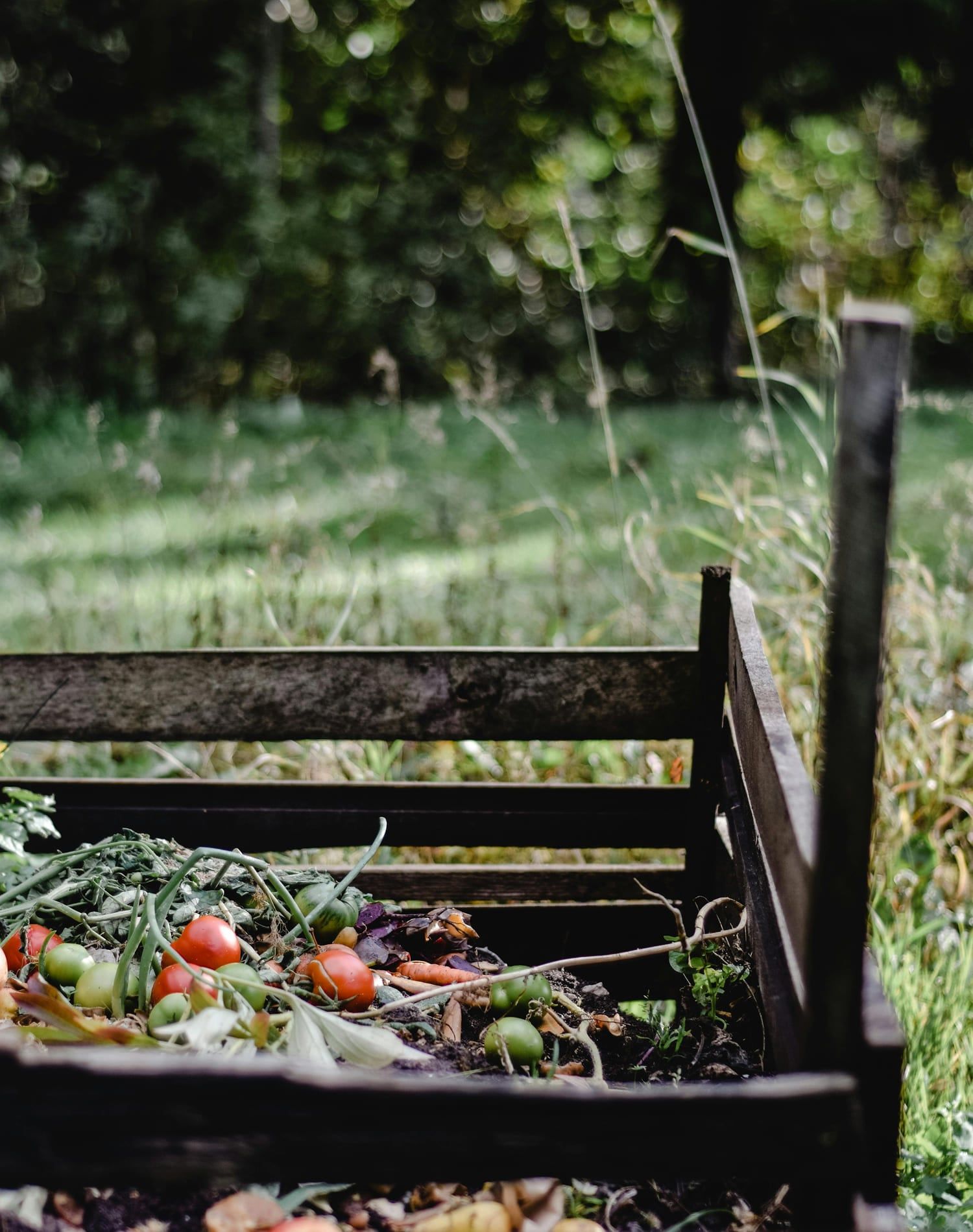
Composting is nature's way of recycling. Learn what to put in a home compost, how to set it up, and how to keep it healthy so food scraps never go to landfill.
The environmental challenges ahead of us can feel insurmountable, particularly as individuals. I spend a lot of my time as a Method employee researchi...
Concerns about the environment continue to grow in the UK, and the focus is turning towards what organisations can do to reduce their impact. Method, ...
Practical ways to get your team engaged with workplace recycling, from clear communication and friendly competition to feedback loops that make habits stick.
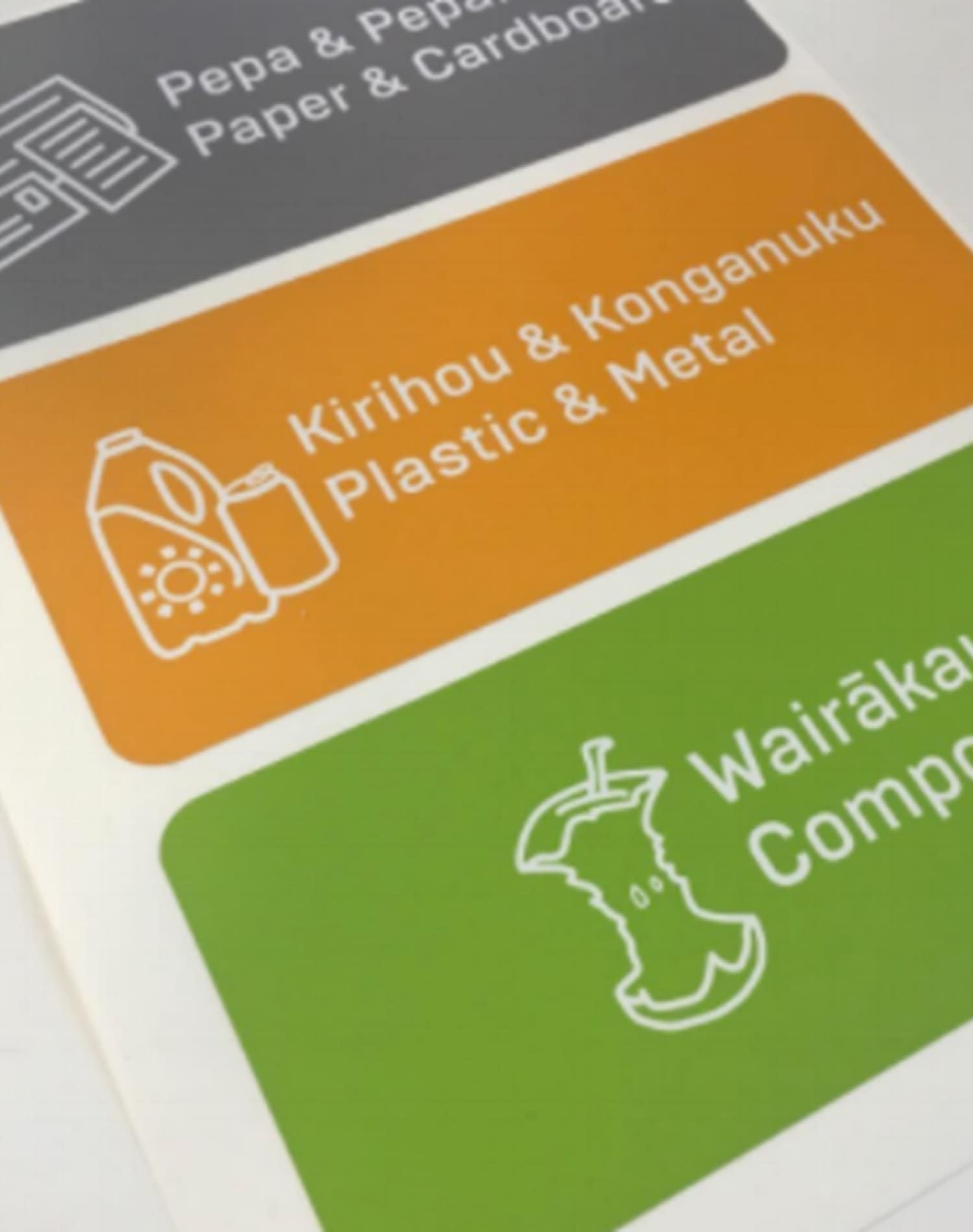
Next week is Māori Language Week, a celebration of the language Te Reo. In 2017 we customised labels for the Māori priest, artist and ecologist Peter ...
Does the recycling symbol mean recyclable? Is recycling pointless? We debunk nine common recycling myths with what is actually true in 2026.
I'm the first to say that recycling isn't perfect, in fact, it's quite far from it. But there are a lot of benefits now and what we should be aiming f...
Here at Method we hire great people, and recycling skills aren't necessarily a prerequisite. In this journal, we'll take a transparent look at our rec...
How to create a green team at work: recruit passionate people, set clear goals, and turn your organisation's sustainability talk into visible action.
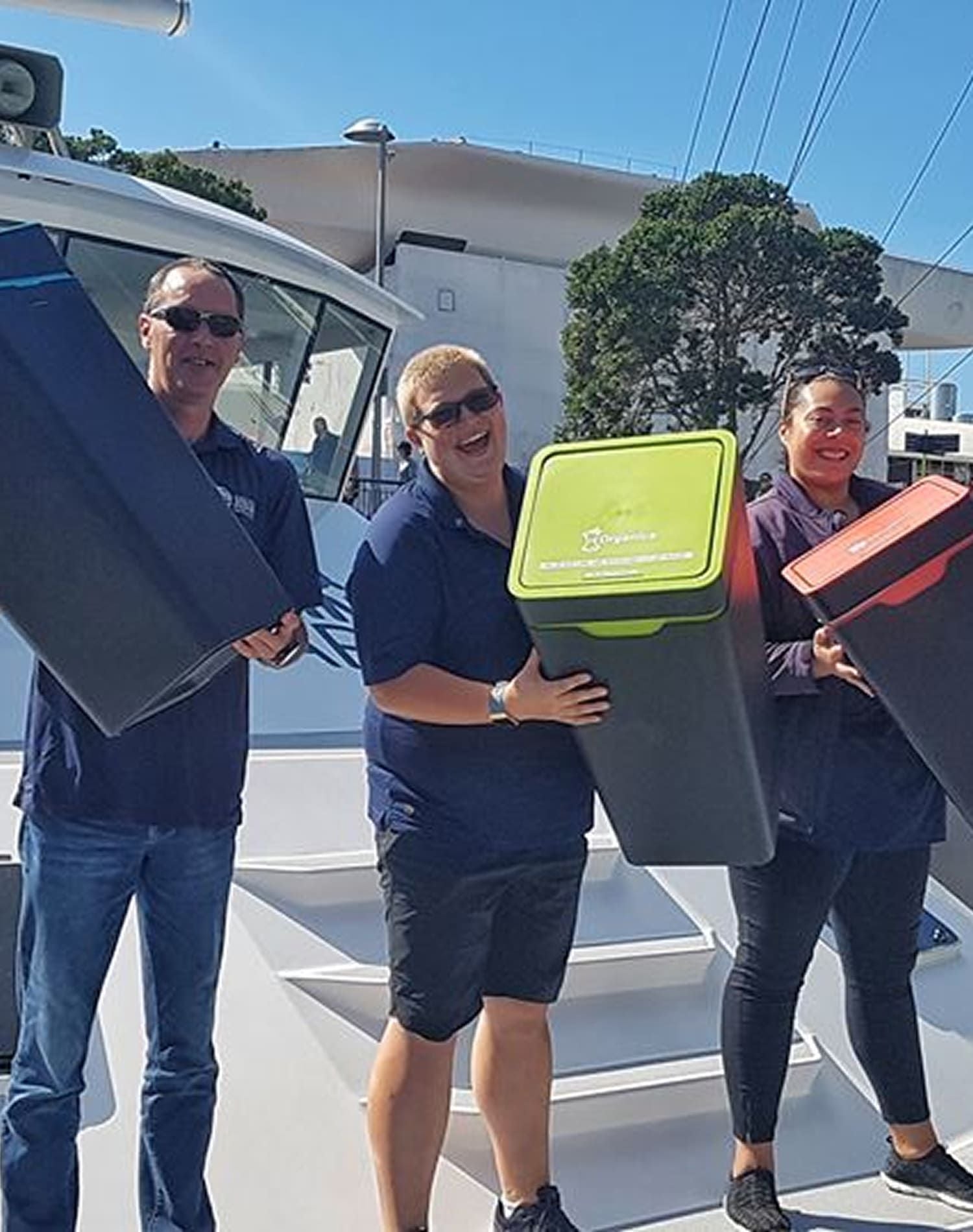
On Global Recycling Day Method gave away one set of brand new bins to one lucky workplace. Overwhelmed by the number of responses we received we also ...
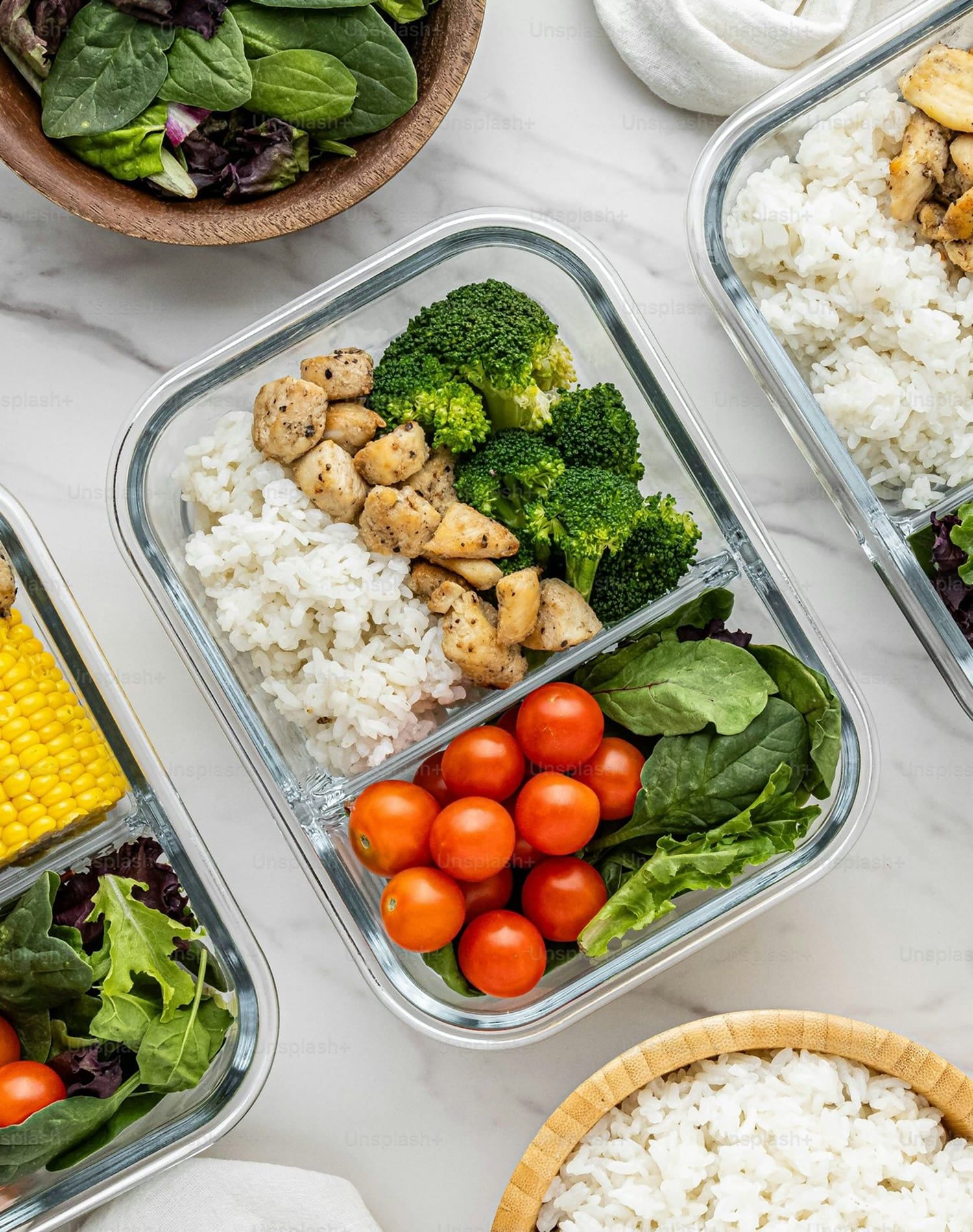
Office bin overflowing at the end of every lunch hour? You're not alone. Try these tips from the team atReusabowlto empower your staff to smash the tr...
How to choose a waste provider that fits your organisation: the questions to ask, the red flags to avoid, and how to keep the relationship working long-term.
Improperly recycled materials don't always go straight to landfill. Here is how sorting facilities handle recycling contamination, and how to avoid it.
You've decided to take the plunge and set up a recycling program in your workplace. But now comes the hardest part – getting everyone educated and onb...
But, there's more to it than meets the eye. The attractive cloud-based accounting software has been changing behaviours since its launch in 2006, maki...
Here at Method, we get the pleasure of working with Facility Managers of businesses big and small that are working hard to improve their facilities, t...
Welcome to part two in our Recycling 101 series covering the fundamentals of recycling. In part one, we covered why we should recycle, and today we ar...
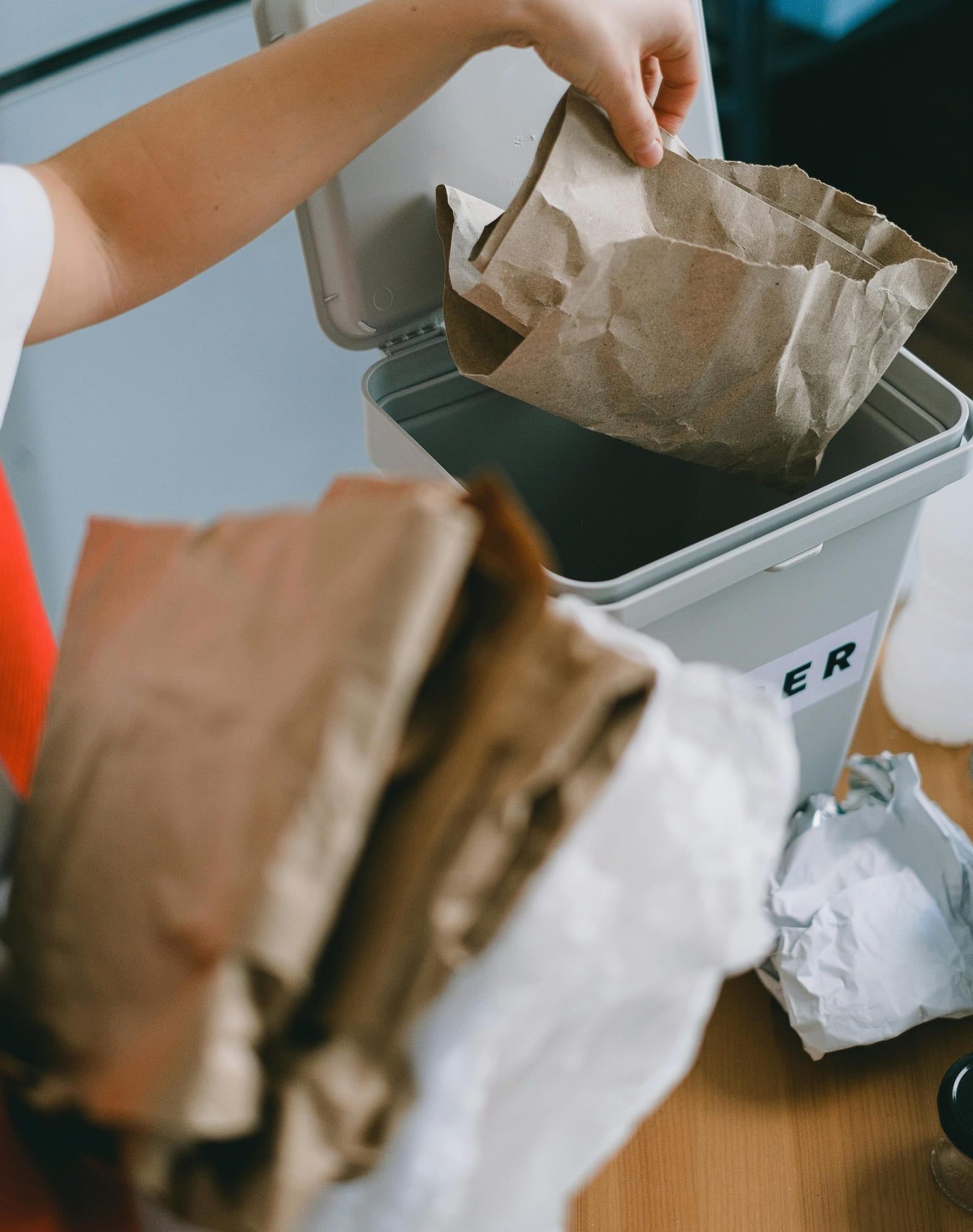
How paper recycling works, from collection and sorting to pulping and de-inking, plus straight answers on receipts, pizza boxes, coffee cups and cartons.
Method began with the belief that design could have an impact on workplace recycling. That there were many businesses with the right intentions withou...
Co-founder Steven Korner on the role recycled materials play in plastic products, and what it takes to engineer them for strength, quality, and circularity.
The fundamentals of your workplace recycling program – bins and signs – are in place; you've communicated with your team and maybe even set some recyc...
Today, more than ever,organisations are recognising the impactthey have on the world around them and trying to make decisions that mitigate that impac...
Here we compare the setup and service costs of an office outfitted with Method Recycling Stations vs. one with Individual Desk Bins over the course of...
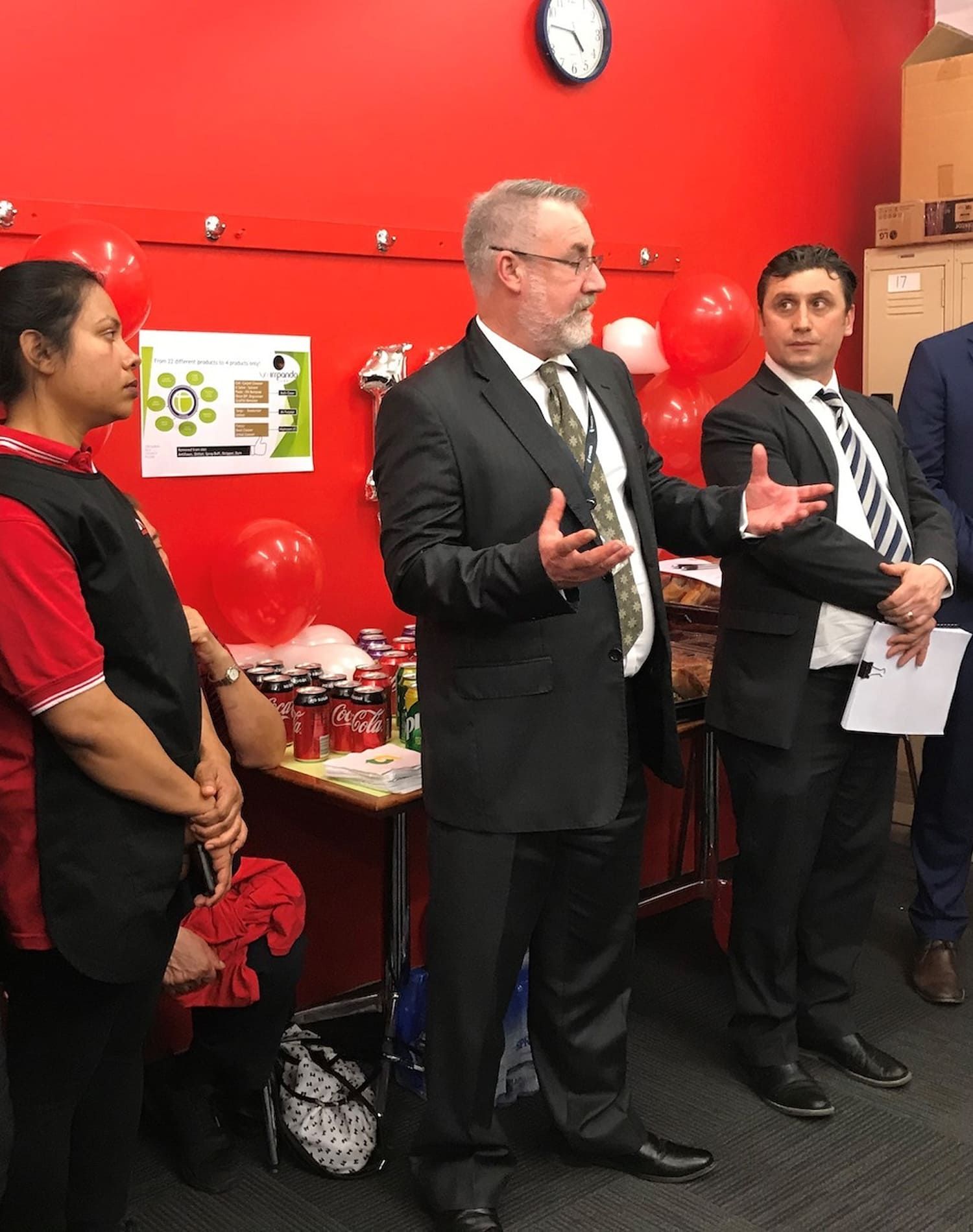
Cleaners are the second step in the waste collection process for any organisation, so it's essential to include them in your goals and ensure they und...
Method is lucky to now have our organics collected through Wellington's urban farm, local composter and community educator,Kaicycle. Our small office ...
Amidst a sea of green-washing and insincere attempts of organisations trying to appear to be doing better,Work incare acknowledging they weren't doing...
If your company cares about recycling, you've probably considered going zero waste. It can feel overwhelming to get your workplace to zero waste, but ...
Does your office have a recycling program that needs an overhaul? Or maybe it's in the works, but you haven't quite implemented it yet? A successful r...
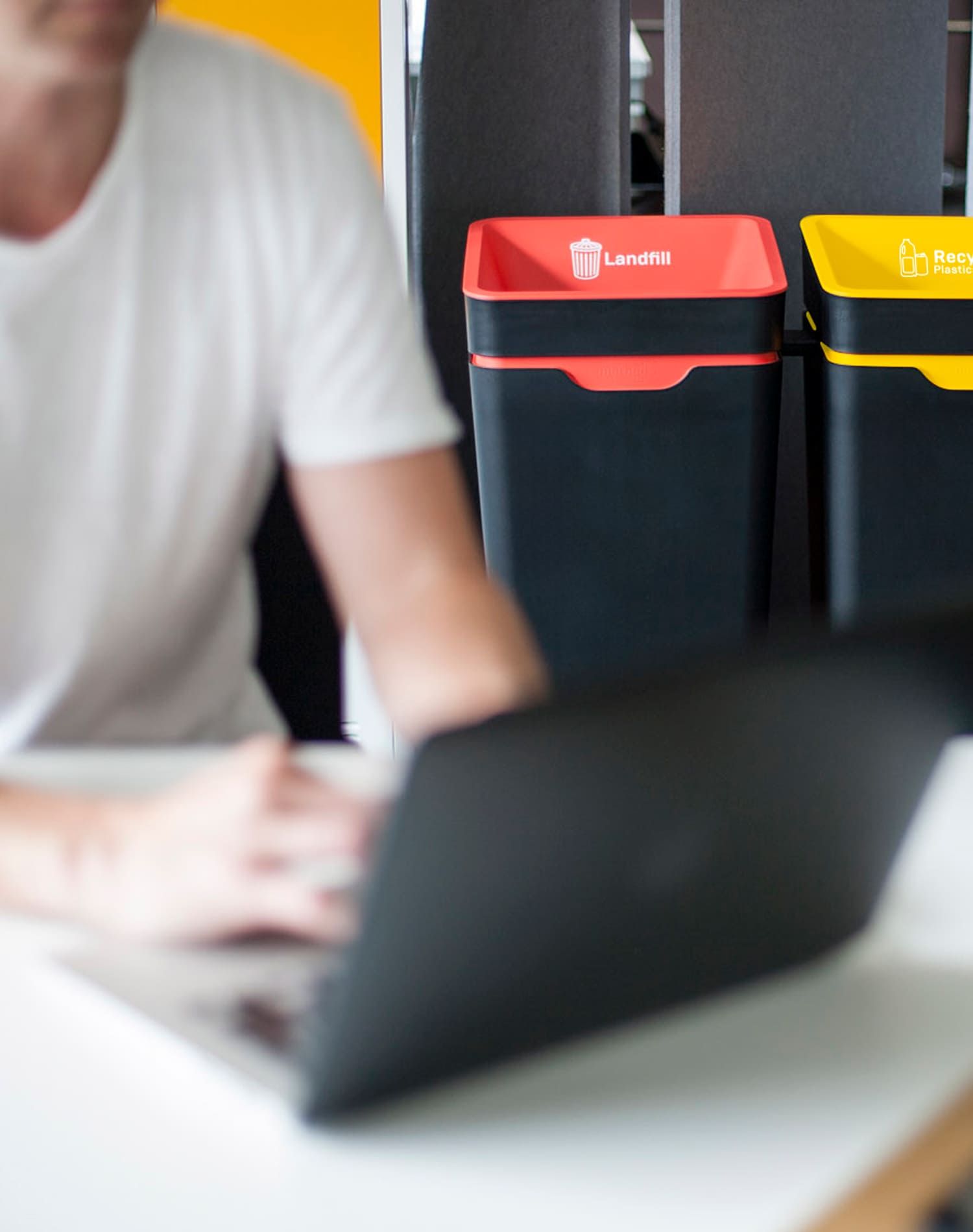
The success of Method's system is seen as recycling becomes easier than waste with the removal of desk bins and the presence of communal recycling stations.
There are a lot of certifications out there that we could've gone for, but B Corp resonated with who Method is as a business.
Coffee cups, receipts, compostable packaging: we run through the most commonly mis-recycled items and where each one should actually go instead.
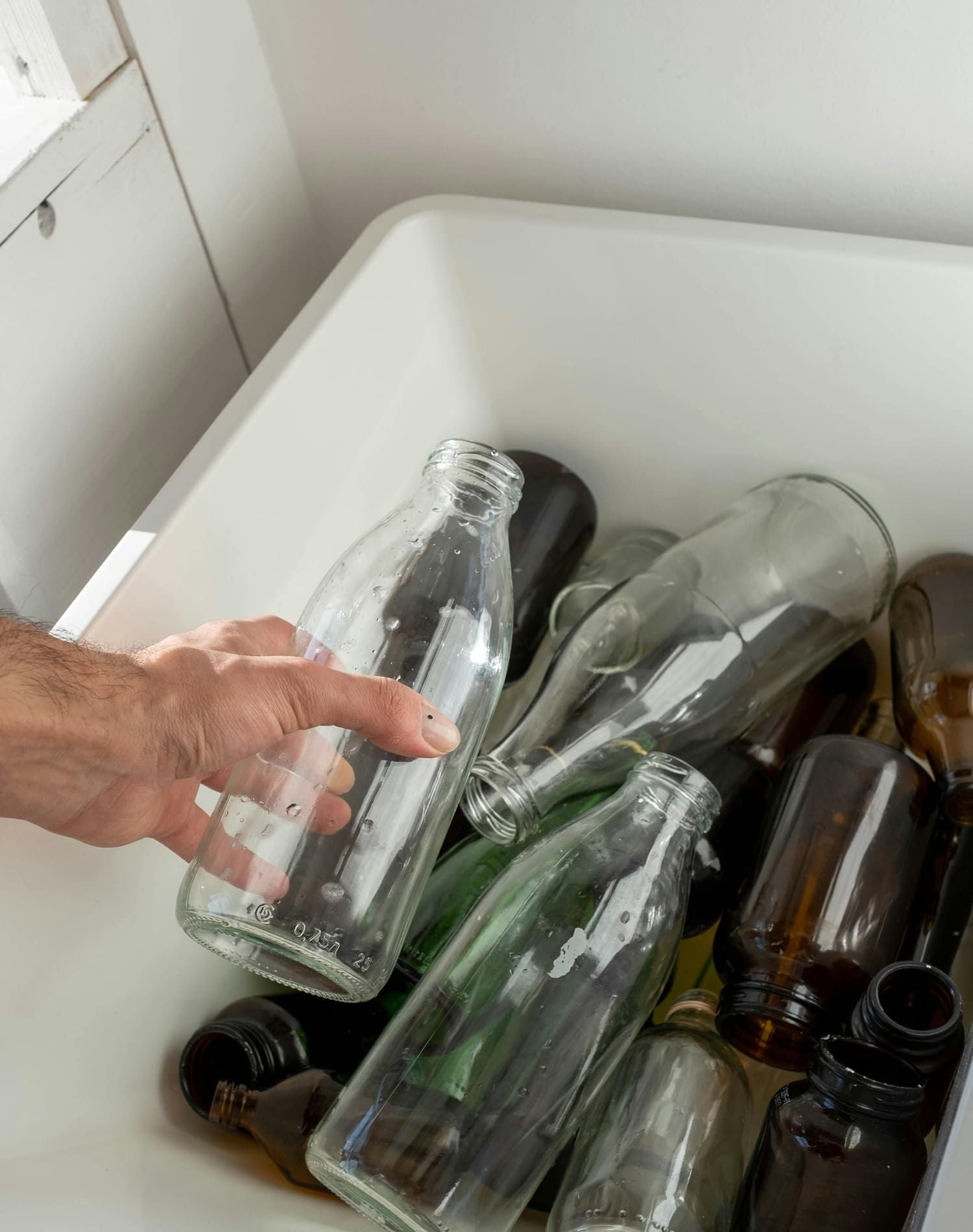
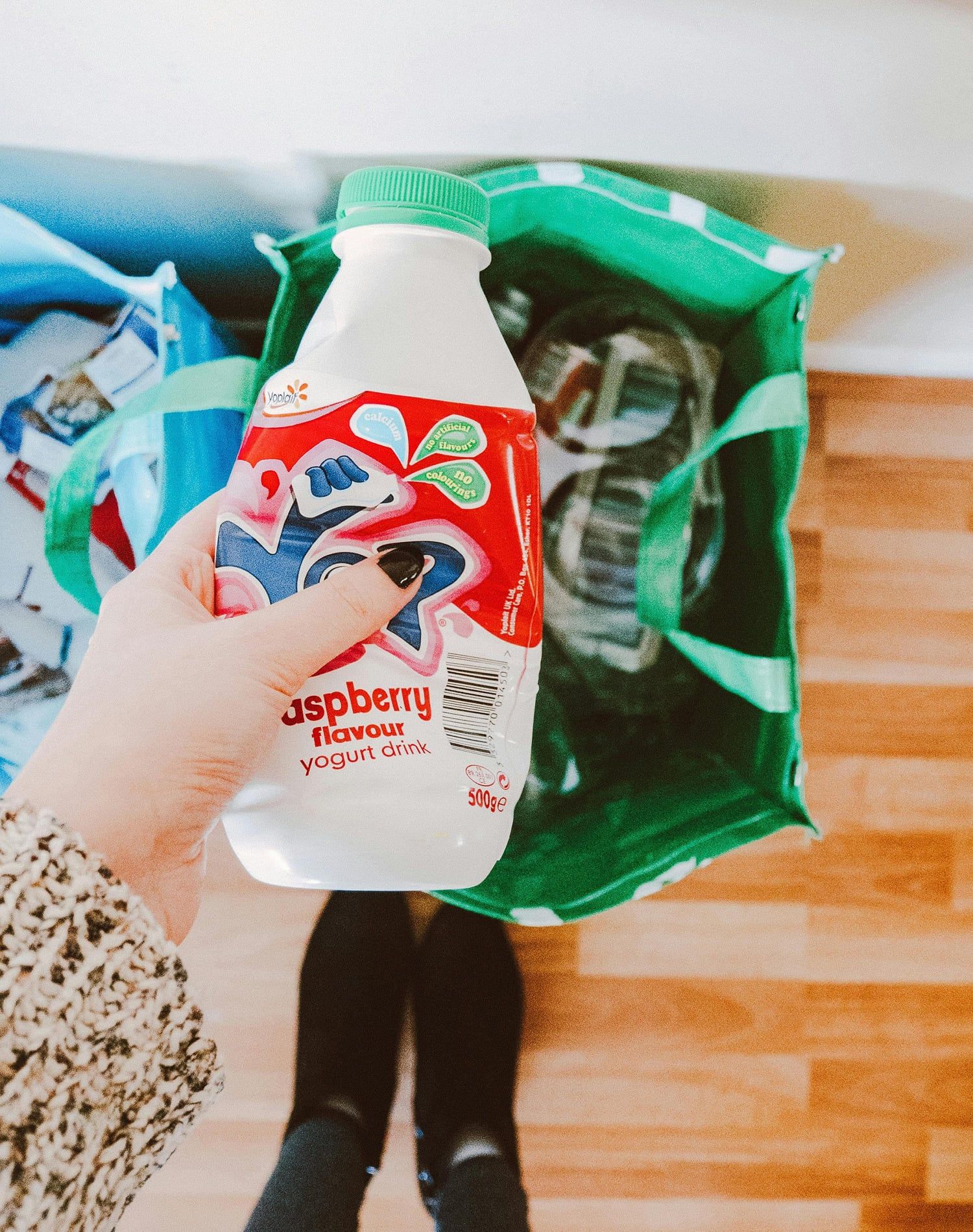
Wish-cycling is putting non-recyclable items in the recycling and hoping for the best. Here is why it backfires, what it costs, and how to avoid it at home or work.
How clean does recycling need to be? A quick rinse is usually enough. Our practical guide covers rinsing rules, greasy pizza boxes and contamination.
The waste hierarchy ranks the best ways to manage waste, from refusing and reducing down to disposal. Here is what each tier means and how to practise it.
We take a look at some of the reasons why individuals change their habits and what can be done to better facilitate recycling in the workplace.
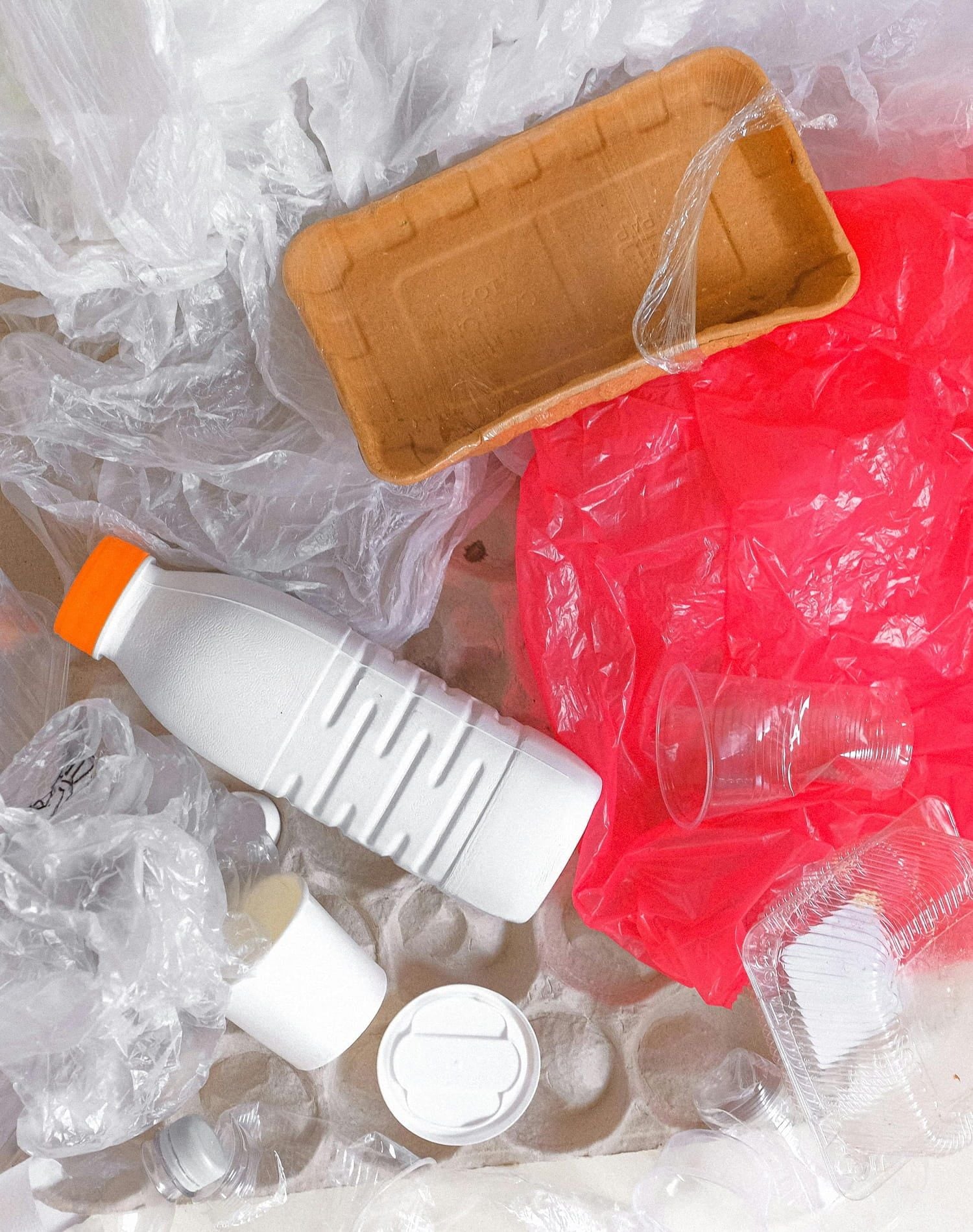
The plastic codes stamped on packaging tell you what a container is made from, not whether it is recyclable. Here is what each of the seven numbers means.
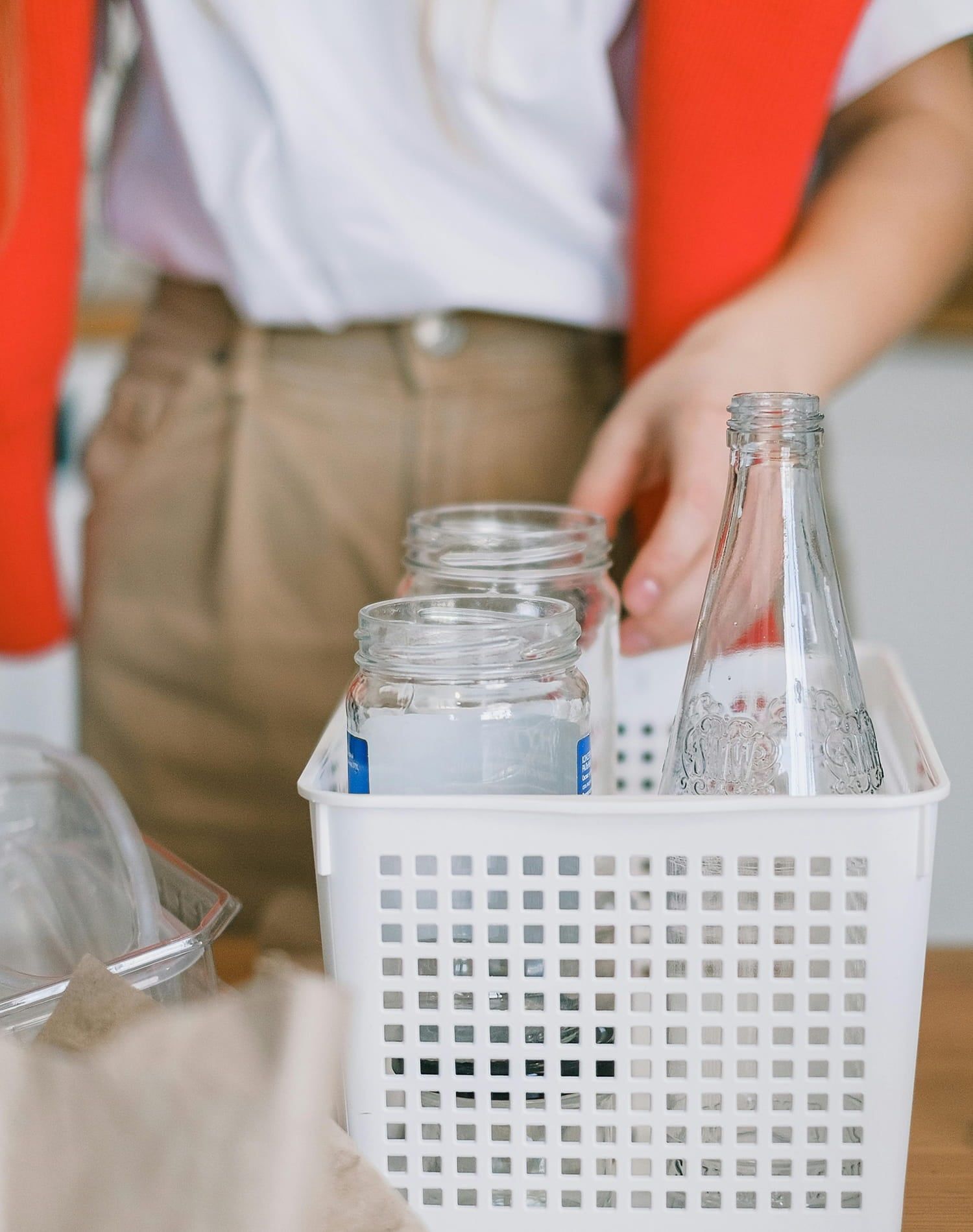
One of the most difficult parts about having a successful recycling program in a workplace is changing user behaviour, but it's essential to achieving your waste goals.
Method began when co-founders Steven and India Korner were driving around New Zealand selling generic bins out of the back of a van.
Why does Method make recycling bins from polypropylene? We explain our recycled materials, kerbside sourcing, and how our bins stay recyclable.
As an innovative company, we have also looked for new ways to set big goals for ourselves. Currently, we're on a mission to enable organisations to divert one billion kilograms of waste from landfills by 2030.
Compostable, degradable or plant-based? We compare the options to find the most sustainable bin liner for your office recycling programme in 2026.
Method was named a Best for the World B Corp in 2021 and 2022. Here is what the recognition meant and where our B Corp certification stands today.
Food waste is a major global issue. Over 1.3 billion tonnes of food produced is wasted annually, releasing harmful methane and CO2.
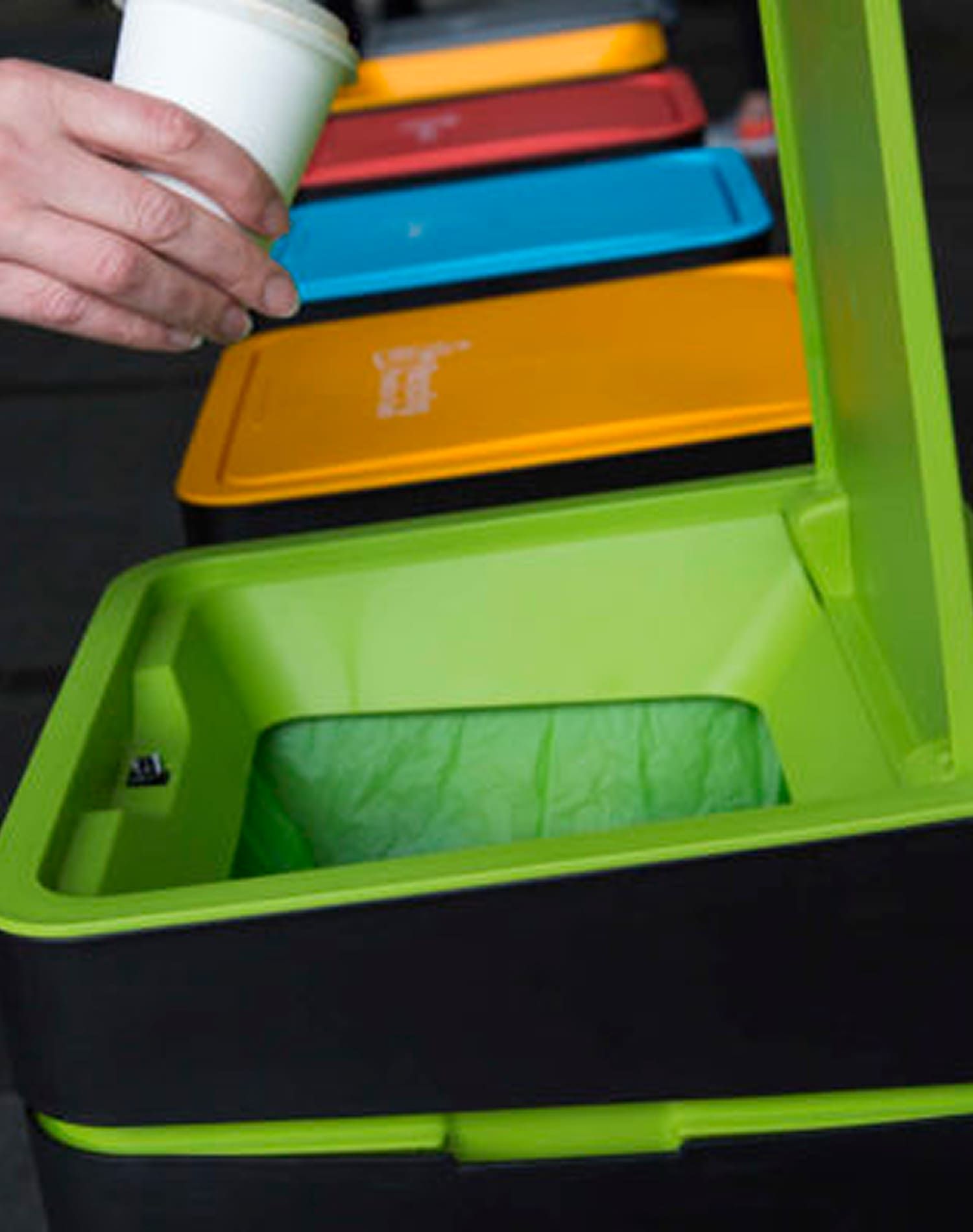
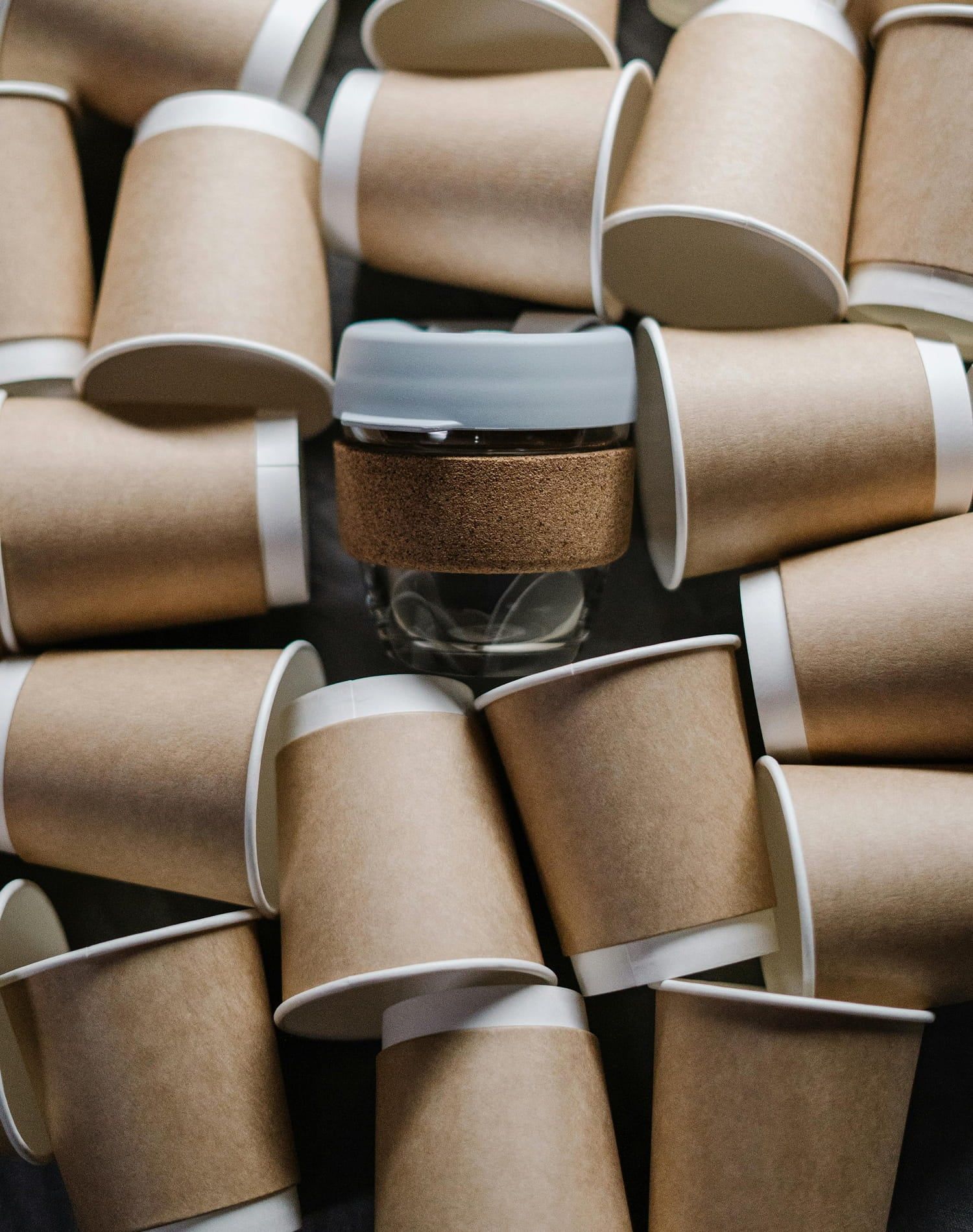
We share practical ways to reduce single-use coffee cups in the office, from mug libraries and cup-swap schemes to services that manage the whole loop.
Looking for something in particular? This blog will cover waste streams, the key questions to ask, and common recycling methods with their pros and cons.
Here are four practical ideas for teaching recycling to students, from waste audits and colour-coded bins to worm farms your class can build together.